

Systemic organizational consulting
Occasions | Procedure | System understanding | Role | Formats | Benefits | Process steps | FAQ | Contact person
Organizations are constantly changing in their structure, in their culture and in the way people work together. Coachingwerk’s systemic organizational consulting does not view these changes as isolated individual measures, but as interrelated developments within the entire company as a social system.
The focus is on the interplay between people, roles, structures and communication patterns. We support organizations in understanding their current challenges, making different perspectives visible and developing sustainable solutions. This is less about quick answers and more about sustainable clarification, joint alignment and shared learning.
Who is Coachingwerk’s organizational consulting aimed at?
Our consulting services are aimed at organizations and managers who want to consciously shape development and change processes, in particular at:
- Companies, administrations and non-profit organizations
- Management, executives and management teams
- Responsible for personnel and organizational development
- Teams and departments with complex issues or areas of tension
Typical occasions & fields of application for systemic organizational consulting
We support organizations with our consulting services on the following occasions:





How we accompany organizations
Organizational consulting with Coachingwerk is an accompanying process that supports your organization in understanding its own dynamics and consciously shaping development steps. It combines analysis, reflection and joint work on specific issues.
We focus on the formal and informal structures, relationships and communication patterns within your organization. We provide support as partners and at eye level and work closely with the people and structures in your organization. The aim is to create orientation and enable development from within the organization.
Typically, we support organizations with our consulting services over several months or years, from clarifying the initial situation to jointly developing key objectives and fields of action to sustainably anchoring them in everyday working life. We work as quickly as feasible and as in-depth as necessary. We combine prompt results with room for sustainable changes in culture and action logic. The individual workshop or communication units usually last 0.5 to 2 days, depending on the objectives and group size.
Understanding the system: how we understand development
We work on the basis of a systemic understanding of organizations as living, social systems. We understand development as an ongoing process with phases of stability and movement. Changes are not imposed from the outside, but are developed together with those involved.
Based on proven systemic development models and many years of practical experience, we support your organization in classifying its specific potential and challenges and designing suitable development paths.
Our focus is on appreciating different perspectives, transparency in the process and the conviction that organizations have all the resources they need to develop suitable solutions from within.
Our role in the organizational consulting process
In organizational consulting, we take on a moderating role that provides structure, enables reflection and relates different perspectives to one another. Our experience from different organizational contexts flows into the process design.
Our work is characterized by clarity, presence and an approachable attitude towards the people and issues involved. We see ourselves as part of a joint development process. The focus is on the process, on working together on relevant issues and on implementation. Concrete steps make progress visible and verifiable.

Formats in organizational consulting
Our formats and methods are combined and coordinated depending on the objective. These include, among others:
- Architecture and process design workshop
- Interviews and surveys
- Participatory workshops and dialog spaces
- Steering and steering committees
- Townhalls and large group formats
- Team development and team coaching
- Formats for management development
- Mediation and conflict resolution
The methods are used for clarification, orientation and sustainable organizational development.
Your benefit: What your organization gains from it
With the help of our systemic organizational consulting, you can achieve:
- Security, orientation and transparency regarding responsibilities and structures
- Increased ability to act and make decisions
- More self-efficacy and assumption of responsibility among managers and employees
- Reflective communication and constructive cooperation
- High level of acceptance and joint support for change
- Anchoring in working methods, processes and decision-making logic
- Strengthening the organization’s ability to change
The benefits result from the combination of professional structure, joint reflection and systemic understanding – as a basis for sustainable development in your organization.
Process steps in our organizational consulting
We think and design every organizational development or change project as a process with successive process steps:
1. order clarification & process design
At the beginning, we clarify
2. analysis & diagnosis
In the diagnostic phase, we expand the circle and take a closer look at structures, action and decision-making logic as well as cultural aspects. Depending on the issue, we use surveys, interviews, workshops or other suitable analysis formats. The aim is to make key influencing factors visible and create a sound basis for further development.
3. objectives and fields of action
Together, we develop a
4. implementation & anchoring
We translate the defined fields of action into
Contact us: Your next step
If you would like to develop your organization in a targeted manner and shape organizational development effectively, we will clarify in a non-binding initial consultation whether and how our organizational consulting can support you in a meaningful way.
Feel free to contact us to describe your situation and discuss possible next steps.
FAQ: Frequently asked questions about organizational development
What distinguishes systemic organizational consulting from traditional management consulting?
Systemic organizational consulting views organizations as complex social systems. In addition to structures and processes, we also include relationships, communication patterns and decision-making logic. Solutions are developed together with those involved – with the aim of sustainably strengthening the organization’s ability to change.
When is organizational consulting particularly useful?
Especially in the case of complex changes, strategic realignment, reorganization or cultural tensions. Wherever development needs to be consciously shaped.
How long does a consulting process take?
The duration and scope depend on the issue and the complexity of the project. A process can take between 6 weeks and two years. We coordinate the procedure and time frame transparently and in line with requirements.
Who is involved in the process?
We determine the participants together. Depending on the objective, management, executives, teams or cross-divisional groups may be involved. It is important that the relevant perspectives are represented.
Does the organizational consulting take place on site or online?
Both are possible. We tailor face-to-face, online or hybrid formats to your framework conditions and objectives.
What role do we play in the process?
We structure and moderate the process. We bring in systemic expertise and a clear external perspective without prescribing solutions. Development is the result of joint work.
How is implementation ensured in everyday life?
We work in an implementation-oriented and iterative manner. Measures are reviewed, adapted and anchored in structures, routines and decision-making logic.
Your contact for systemic organizational consulting
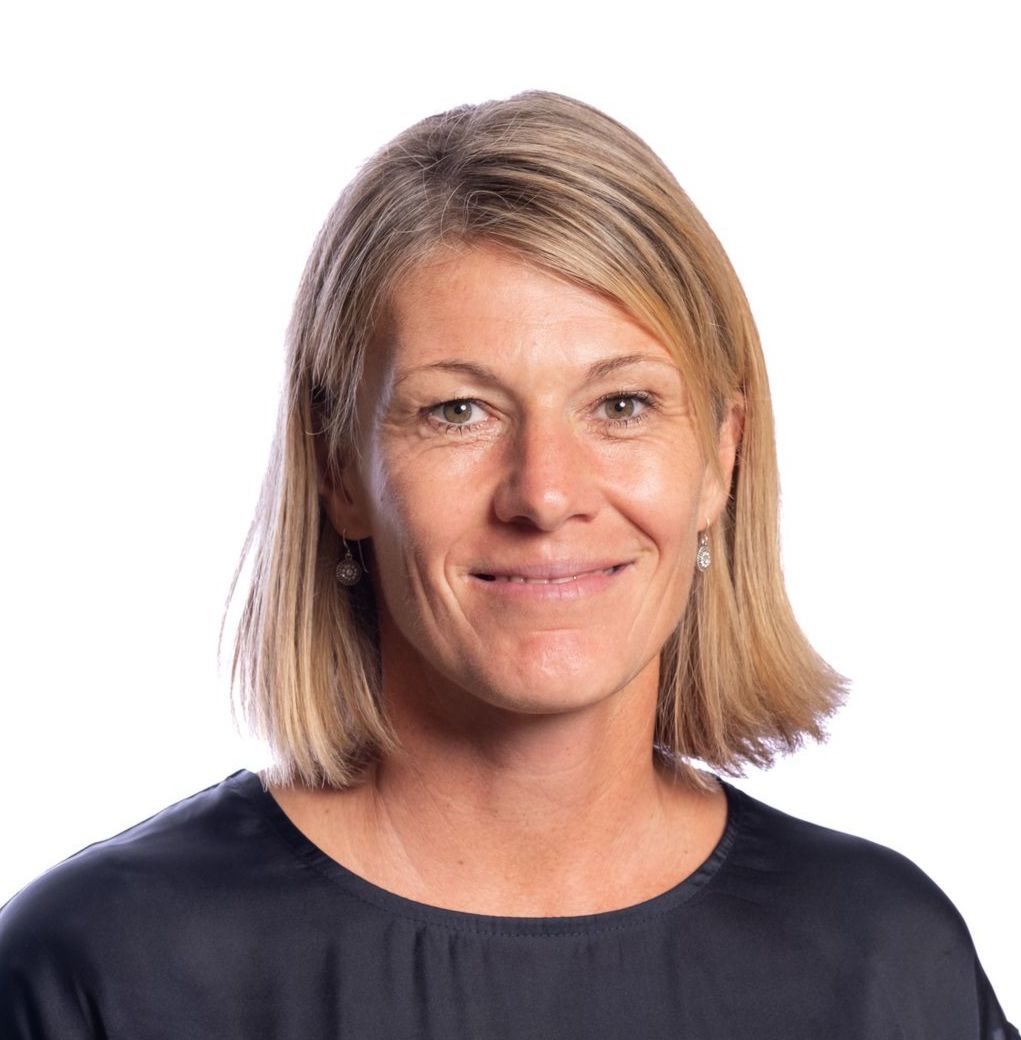
Certified systemic organizational developer, consultant and coach
Jasmin Löffler has been supporting organizations, managers and teams in development and change processes for over 20 years. Her focus is on systemic organizational development, change management, leadership and team development. As a certified organizational developer and consultant according to Trigon as well as a systemic coach, she combines well-founded systemic qualifications with many years of management experience in international organizations. She knows strategy, transformation and restructuring processes from her own experience and designs them in a clear, structured and effective way.
In her work, she places particular emphasis on transparent communication, participation and sustainable solutions that emerge from within the organization. With empathy, positive energy, structure and solution orientation, she opens up new perspectives, strengthens self-efficacy and effectively accompanies people and organizations on their development path.